How to Choose the Best Wholesale Children’s Wear Supplier for Your Kids’ Fashion Business
1. The Strategic Imperative of Supplier Selection in Children’s Retail
The global children’s wear, footwear, and lifestyle accessory market has experienced a remarkable evolution over the past decade. Driven by shifting demographic patterns, rising disposable incomes among millennial and generation z parents, and an increased cultural focus on juvenile styling, the children’s retail sector has transformed from a secondary retail category into a powerhouse of commercial growth. Contemporary parents view clothing, shoes, toys, and lifestyle accessories not merely as functional daily necessities, but as vital extensions of their children’s emerging personalities and familial aesthetic values.

For boutique owners, e-commerce entrepreneurs, and established department store buyers, capitalizing on this surging demand requires much more than a broad inventory catalog; it demands a highly strategic approach to supplier selection and wholesale sourcing. Partnering with unreliable vendors, failing to navigate minimum order quantities (MOQs), or ignoring strict safety standards can compress profit margins, introduce catastrophic supply chain delays, and lead to deadstock. Conversely, identifying and vetting elite, dependable manufacturers and wholesale platforms ensures robust inventory turnover, high average order values (AOV), and enduring brand loyalty among discerning parents.
This comprehensive guide explores the structural framework necessary to identify, vet, and partner with the right wholesale suppliers for modern children's retail enterprises. We will examine core apparel staples, infant wear, dresses, accessories, school gear, entertainment goods, and disciplined supply chain management practices designed to elevate your business profitability.
2. Deconstructing the Modern Parent Consumer and Retail Dynamics
To successfully curate a children's retail catalog and select the appropriate supplier, buyers must first understand the psychology and purchasing behaviors of today’s parents. Unlike traditional shoppers who focused entirely on low-cost durability, modern parents are highly discerning, quality-driven, and value-oriented. They look for specific product attributes before making a purchase decision:
Fabric Safety and Comfort: Children have sensitive skin, making non-toxic, hypoallergenic, and breathable textiles (such as organic cotton, bamboo blends, and soft knits) non-negotiable purchasing criteria.
Durability and Easy Care: Because children grow rapidly and subject their clothing to rigorous daily wear and frequent laundering, garments must withstand heavy usage without losing shape or color.
Aesthetic Appeal and Trend Alignment: Parents increasingly seek miniature versions of adult streetwear, minimalist neutrals, and playful, vibrant prints that look exceptional in digital family portraits and social media sharing.
To meet these multifaceted demands without straining cash flow, successful retailers deploy a balanced inventory strategy: leveraging stable, high-turnover wholesale staples to secure baseline profitability while incorporating trend-driven seasonal collections as revenue multipliers. Choosing a supplier that can support both ready-to-stock requirements and diverse product lines is the ultimate key to retail resilience.
3. Evaluating Core Apparel Categories and Supplier Capabilities
Establishing a thriving children’s retail collection begins with mastering the core apparel categories that form the backbone of a juvenile wardrobe. When vetting potential suppliers, retail buyers must evaluate their catalog depth, fabric quality consistency, and pricing flexibility across essential children's wear lines.
When building a comprehensive children's inventory, partnering with reliable sources for
Infant Wear and Playful Rompers
The infant wear segment represents one of the most resilient and recession-proof sectors in retail, driven by constant birth rates and rapid infant growth cycles. Sourcing high-quality infant apparel requires a meticulous eye for snap-closure durability, stretch recovery, and gentle neckline constructions. Incorporating diverse
Coordinated Outfit Sets
Coordinated outfits have transformed modern children's fashion, driven by the permanent shift toward effortless, ready-to-wear styling that eliminates the friction of matching separate tops and bottoms. Offering curated
Girls' Special Occasion and Casual Dresses
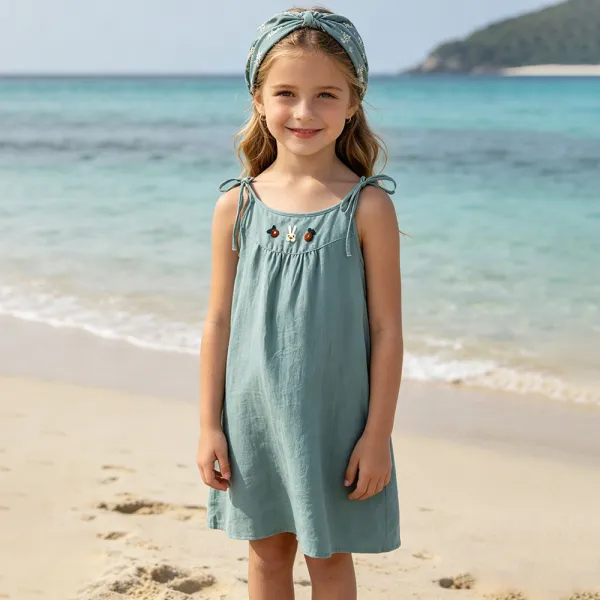
The dresses segment remains a high-margin cornerstone for children's boutiques, spanning casual everyday cotton sundresses to elaborate party, holiday, and flower girl gowns. Sourcing diverse
4. Expanding Profit Pools: Accessories, Decor, and School Gear Supplier Vetting
While apparel drives primary foot traffic and wardrobe curation, accessories, room decor, and school gear represent high-margin profit pools that complete the consumer's lifestyle vision and significantly boost overall business revenue. When evaluating suppliers for these categories, technical construction standards and material authenticity are paramount.
Lifestyle Accessories and Room Decor
Children’s accessories and interior decor items have surged in popularity as parents invest heavily in nursery aesthetics and creative play spaces. Incorporating versatile
Everyday Bags and Travel Backpacks
Bags designed for children have evolved from simple utility items into essential fashion statements for daycare, family travel, and weekend outings. Incorporating versatile
Back-to-School Bookbags and Scholastic Gear
The back-to-school shopping season represents an explosive revenue window for children's retailers. Sourcing durable, high-capacity
5. Captivating Young Minds: Wholesale Toys and Entertainment Goods
Integrating toys and hobbies into a children's apparel or specialty retail store is one of the most effective ways to boost impulse purchases and elevate average transaction values. Parents and gift-givers frequently look for curated toy selections that complement clothing lines.
Sourcing Toys in Bulk
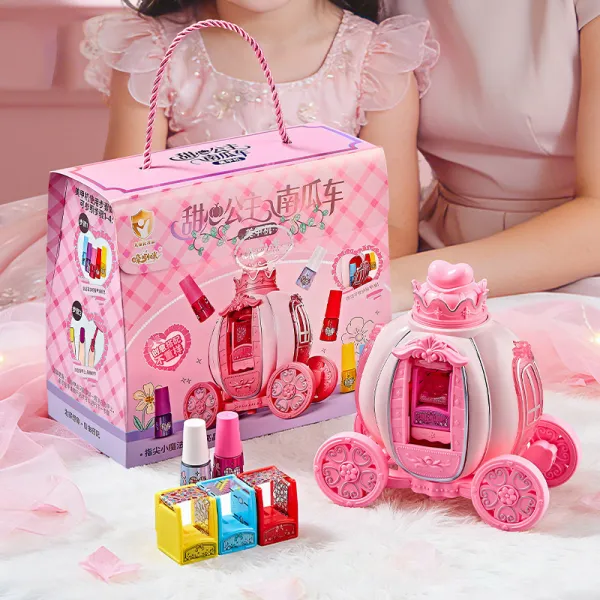
By investing in reliable
6. Practical Criteria for Vetting and Selecting the Right Supplier
Choosing the best wholesale children’s wear supplier requires a structured evaluation matrix. Retailers should never rely solely on online catalog aesthetics or marketing claims. Instead, execute a thorough vetting process based on the following operational criteria:
Regulatory Compliance and Safety Standards
Children's products are subject to stringent international safety regulations regarding small parts choking hazards, lead content, flammability standards, and non-toxic dyes. When vetting wholesale suppliers, always demand certified testing documentation (such as CPSIA compliance reports in the United States or EN71 standards in Europe) to protect your brand from catastrophic liabilities and product recalls.
Sample Evaluation and Quality Control (QC)
Always request physical pre-production samples before committing to bulk inventory. Evaluate the sample for stitch density, fabric softness, hardware security, and overall construction integrity. A reliable supplier will maintain rigorous multi-stage quality control inspections to ensure that production batches match approved samples.
Minimum Order Quantities (MOQs) and Pricing Transparency
Evaluate whether the supplier's MOQs align with your business cash flow and storage capacity. Rigid, excessively high MOQs can trap working capital in slow-moving inventory. Look for flexible B2B platforms and direct-to-factory partners that offer transparent tiered pricing models without hidden fees or obscure shipping surcharges.
Lead Times and Supply Chain Resilience
Children's apparel and seasonal gear operate on strict calendar timelines. Sourcing professionals must analyze supplier lead times, raw material procurement phases, and international shipping reliability. Establishing clear communication channels and contingency plans prevents unexpected stockouts during peak retail seasons.
7. Building a Long-Term Strategic Partnership
Choosing the right wholesale children’s wear supplier is a foundational decision that dictates the long-term profitability, scalability, and reputation of your retail business. By conducting rigorous supplier evaluations, balancing high-turnover apparel staples with high-margin accessories, school bags, and educational toys, and maintaining strict quality control and safety standards, retail entrepreneurs can build a resilient, future-proof enterprise. Embrace strategic digital sourcing ecosystems, prioritize transparent communication, and position your brand for sustainable, long-term growth in the competitive global children's retail marketplace.


Comments
Post a Comment