Trending Custom Bag Designs That Attract Modern Customers
In an era where individuality, sustainability, and functionality are increasingly intertwined, the world of accessories has shifted dramatically. Consumers no longer simply accept off-the-shelf items; they expect products that reflect their identity, values and lifestyle. Among accessories, bags serve as both utility pieces and style statements, and so the demand for customisation has surged. Today, custom bags are not simply novelty items—they are strategic assets for brands and inspiring canvases for creators, bridging form, function and personal expression.
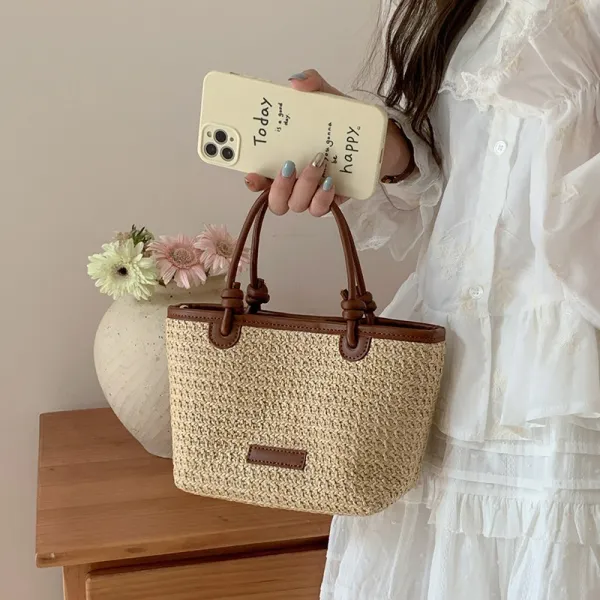
For modern consumers—whether urban professionals, digital nomads, eco-conscious shoppers or fashion-forward trendsetters—the right bag hits multiple marks: it looks good, it performs well, it aligns with values, and it stands out. In this context, the categories of custom tote bags, custom handbags, custom backpacks, custom drawstring bags, custom shopping bags, custom duffle bags, custom crossbody bags, and even custom wallets all have distinctive roles and opportunities. Understanding the emerging design trends across these types is crucial for brands, designers and end-users alike.
In this article we will explore the key trends shaping the custom-bag market today—covering materials, personalization, multifunctionality, sustainability, tech integration, and aesthetic styles. Then we will apply these trends across each bag type to illustrate how brands and designers can attract modern customers. Finally, we will wrap up with strategic take-aways for anyone looking to design, source or market custom bags in the current climate.
Trend dynamics in the custom-bag space
Before diving into each bag type, it helps to frame the broader trends that are driving the custom-bag (and accessory) market. Here are the major forces at play:
Given these overarching trends, we can now explore how they play out in each type of bag.
Custom Tote Bags
Why they’re trending
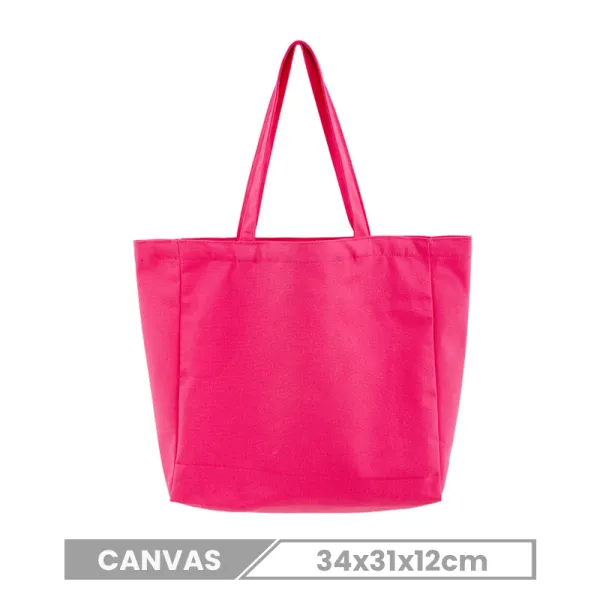
Tote bags offer a great canvas for brand logos and creative artwork, making them popular in corporate giveaways or lifestyle branding.
They align neatly with sustainability trends—materials like organic cotton and recycled polyester make them eco-friendly alternatives to single-use plastic bags.
Custom tote bags can blur the line between utility and fashion accessory, allowing consumers to carry style plus purpose.
Key design considerations
Material: Choose sustainable, durable fabrics (organic cotton, recycled PET, hemp).
Print & artwork: Offer bold prints, vibrant colours, or minimalist design depending on target audience. Recent data shows both bold graphics and minimalist aesthetics are popular.
Structure & hardware: While tote bags are typically simple, upgrading with contrast handles, internal pockets or magnetic closures can elevate them.
Branding & personalization: Options for customization—monograms, names, unique designs—boost perceived value.
Purpose-driven features: Reusable, washable, foldable—these traits align with eco-conscious consumers.
Target audiences & use-cases
Brands using them for promotional giveaways (events, conferences).
Lifestyle brands selling them as fashion accessories.
Sustainable-fashion consumers wanting a daily bag with values.
Students or commuters looking for a casual carry-all.
Trends specific to tote design
“Vintage and retro” prints: checkered patterns, 70s/80s inspired graphics.
Minimalist luxury canvas with subtle branding.
Tote bags doubling as fashion accessories rather than simply utility items.
Thus, for brands or designers looking to attract modern customers via custom tote bags, combining eco-materials + personalization + stylish print/finish is a strong formula.
Custom Handbags
Why they’re trending
The demand for unique, limited-edition or personalized handbags is strong in the premium market. Custom handbags give consumers a sense of exclusivity.
The aesthetic trends (heritage revival, belted accents, structured silhouettes) are showing up in handbag design.
The intersection of luxury with sustainability (plant-based leathers, recycled materials) is especially relevant.
Personalization is not just about colour or monogram, but about design components (hardware, straps, modular compartments).
Key design considerations
Material choice: High-grade leather or animal-free alternatives (mushroom leather, apple leather) are increasingly important.
Hardware & finish: Clean metal accents, structured frames, belted straps, convertible handles. These elevate perceived luxury.
Personalization layers: Bespoke elements such as initials, custom colours, prints or mix-and-match components.
Functional compartments: Modern needs (phone pockets, RFID protection, detachable pouches) integrated into fashionable handbags.
Limited-edition aesthetic: Small runs, unique colourways or collaborative artwork boost desirability.
Target audiences & use-cases
Fashion-conscious consumers seeking a statement piece.
Gift buyers seeking high-end, personalized items.
Designers and high-street brands wanting to offer “made-for-you” handbag options.
Sustainability-driven buyers who still want luxury finishes.
Trends specific to handbag design
Heritage silhouettes revived with modern twists (belted accents, “quiet luxury” shapes) in design.
Smart material innovation (colour-shifting leather, 3D-embossing) gives handbags a tactile and visual novelty.
Modular handbags where handles, straps or hardware can be swapped for customisation.
In short, custom handbags attract modern consumers by marrying luxury aesthetics with personalization, functionality and ethical/eco credentials.
Custom Backpacks
Why they’re trending
With remote work, hybrid lifestyles and commuting still common, backpacks remain a staple. Custom-backpacks allow consumers to get a bag tailored for their lifestyle (work tools, daily essentials, weekend gear).
The multifunction and convertible trend is especially strong in backpacks: e.g., convertible into duffle or tote formats.
Incorporation of tech features (USB ports, RFID pockets, GPS trackers) is more common in backpacks because of their functional role.
Sustainability matters: recycled fabrics, weather-resistant fabrics, modular components are valued.
Key design considerations
Ergonomics & comfort: Adjustable straps, load distribution, breathable back panels—crucial for daily carry. A study indicated improved comfort when dual-strap systems and side pockets were used.
Material & durability: Weather-resistant, recycled nylon or ripstop fabrics, reinforced stitching, stable structure.
Compartments & versatility: Laptop sleeve, hidden anti-theft pocket, detachable pouch, convertible strap systems.
Personalization & branding: Logo patches, colour accents, custom nameplates, artwork printing.
Tech & security features: RFID blockers, GPS/Tracker pockets, USB charging ports for on-the-go power.
Target audiences & use-cases
Professionals carrying laptops and work gear.
Students seeking functional yet stylish backpacks.
Travellers and urban adventurers.
Brands using custom backpacks for corporate gifting or lifestyle collaborations.
Trends specific to backpack design
Convertible — backpack to duffle to tote mode in one.
Modular components (removable compartments, attachable pouches) driving customization.
Smart/tech-enhanced features becoming standard in premium custom backpacks.
Thus, when designing custom backpacks, the key is to balance style + comfort + tech + customization.
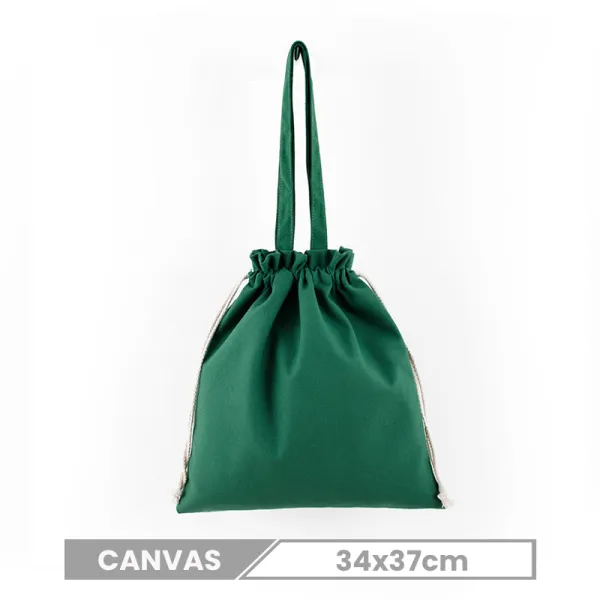
Custom Drawstring Bags
Why they’re trending
Because they’re cost-effective and highly customisable, they are frequently used for giveaways and promotional merchandise.
They appeal to younger demographics or event attendees who want easy-carry, casual bags.
Custom prints, vibrant colours and bold designs make drawstring bags eye-catching brand tools.
Eco-versions using biodegradable or recycled fabrics appeal to sustainable branding.
Key design considerations
Material: Lightweight but durable; can be recycled polyester, organic cotton.
Print surface: Large flat surfaces make for bold prints, graphics, logos.
Colour contrast: Bright drawcords, neon accents, tie-dye prints.
Functionality: While simple, adding internal pockets or reinforced bottoms can elevate quality.
Branding potential: These bags are ideal canvases for bold branding and personalisation.
Target audiences & use-cases
Event participants (conferences, trade shows, festivals).
Gym-goers wanting a simple carry bag.
Organisations seeking custom-branded merchandise.
Schools or sports teams requiring budget-friendly, custom-branded bags.
Trends specific to drawstring design
Bold graphic prints and neon/tie-dye patterns for younger audiences.
Eco-friendly printing and materials to match sustainability values.
Customisation options (names, initials) to turn what is often promotional into meaningful personal items.
In sum, custom drawstring bags offer a high-impact and cost-effective way to connect with modern customers via creativity, brand messaging and functionality.
Custom Shopping Bags
Why they’re trending
As sustainability becomes a mainstream value, many retailers and brands are shifting to reusable custom shopping bags rather than disposable plastic. According to one source: “consumers are increasingly looking for sustainable options” when it comes to shopping bags.
Custom shopping bags also serve as mobile advertisements: each time a shopper carries the bag, the brand message travels. This dual utility (function + marketing) is compelling.
Print and design trends (bold graphics, retro prints) are making shopping bags style items rather than afterthoughts.
Key design considerations
Material: Reusable fabrics (canvas, jute, recycled fabrics) or premium paper with good finishing.
Print/design: Eye-catching graphics, brand story narratives, minimalist luxury.
Functionality: Reusable, durable, including handles comfortable for carrying heavier loads.
Personalisation: Offering customers the option to choose colours, print their name, or co-create design can elevate the bag.
Brand alignment: The bag should reflect the brand’s visual identity and values (eco, luxury, fun, etc).
Target audiences & use-cases
Retailers offering a better shopping experience and reusable bag option.
Brands using custom shopping bags as messaging tools (sustainability, limited-edition drop, collaboration).
Consumers who treat shopping bags as fashion accessories or daily carry items.
Trends specific to shopping-bag design
Retro/vintage design aesthetics: bold prints, throwback colour palettes.
Minimalist luxury versions – premium cloth bags replacing traditional paper.
Personalised methods: name-printing at checkout, limited edition print runs.
Therefore, custom shopping bags are evolving from functional packaging into brand statements and lifestyle accessories.
Custom Duffle Bags
Why they’re trending
The rise of weekend getaways, hybrid work/travel lifestyles and urban fitness culture has increased demand for stylish and functional duffle bags.
Custom duffle bags provide a larger surface area for branding, personalization and design creativity—ideal for premium or corporate gifting.
Versatility and convertible design are increasingly important: duffle bags that can convert to a backpack or have modular compartments align with multi-purpose trends.
With travel rules and gym culture returning post-pandemic, a well-designed duffle is more essential than ever.
Key design considerations
Material & durability: High-performance fabrics (water-resistant nylon, recycled polyester), reinforced handles, heavy-duty zippers.
Compartments: Separate shoe/gear compartments, internal dividers, external laptop sleeves or bottle pockets.
Customization: Colour accents, embroidery, nameplates, detachable straps, modular add-ons.
Branding & personalization: For corporate orders or lifestyle brands, limited edition prints, logo placement or co-branding collaborations.
Convertible/versatile features: Duffle can be worn as a backpack, or foldable into compact storage for travel.
Target audiences & use-cases
Gym-goers and fitness enthusiasts requiring robust day bags.
Travellers needing carry-on or weekend bags.
Corporate clients purchasing branded duffle bags for employees or events.
Lifestyle brands offering stylish, personalised travel-gear.
Trends specific to duffle design
Modular designs with removable compartments for changing usage modes.
Tech-enabled features even in duffles: RFID pockets, built-in charger compartments.
Use of sustainable materials even for robust travel bags (recycled fabrics, plant-based leathers).
To attract modern customers, custom duffle bags must deliver on durability, function, flexibility and bespoke design.
Custom Crossbody Bags
Why they’re trending
The hands-free convenience fits perfectly with mobile, on-the-go lifestyles (e-commerce, ride-hailing, city commuting).
Crossbody styles are highly customisable: strap lengths, materials, hardware finishes, and print/embroidery.
They serve both as a fashion statement and functional carry item—capitalising on the trend of “accessories as identity”.
Custom crossbody bags offer an entry price point for customisation, making them accessible to more consumers.
Key design considerations
Strap design: Adjustable, detachable, styled in contrast materials or signature hardware.
Body shape & size: Compact enough for essentials but roomy enough for modern carry items (phone, wallet, earbuds).
Material & finish: Premium leather, vegan alternative, textured finishes, bold colours or subtle luxury.
Personalisation options: Logo embossing, colour-blocked panels, custom artwork, monograms.
Functionality: Secure zip closure, inside pockets for cards or phone, optional chain or leather strap.
Branding synergy: The crossbody bag can reflect lifestyle branding (minimalist elegance, urban utility, sporty chic).
Target audiences & use-cases
Urban professionals and commuters wanting style + convenience.
Trend-savvy consumers seeking a custom-fashion accessory.
Brands using crossbody bags as promotional or limited-edition pieces.
Travel or event attendees needing lightweight carry-on gear.
Trends specific to crossbody design
Customisable straps and hardware—users choose strap colour/texture and metal finishes.
Vegan-leather or plant-based materials becoming more prevalent in premium crossbody bags.
Bold graphic prints or colour-blocking for younger audiences; monochrome minimalism for luxury segments.
Therefore, custom crossbody bags are a powerful way to capture modern buyers who value personalization, utility and style.
Custom Wallets
Why they’re trending
Even as digital wallets and contactless payments become more common, many consumers appreciate the tactile experience of a well-designed wallet.
Customisation enables wallets to become personal statements: monograms, initials, colour combinations or signature hardware.
Wallets often act as entry-point accessories into a brand world—once a consumer customises a wallet, they might move into bags and larger accessories.
Sustainability and material innovation also apply to wallets: recycled leathers, vegetable-tanned finishes, plant-based alternatives.
Key design considerations
Material: Premium leather, recycled leather, plant-based alternatives, textured finishes.
Personalisation: Embossed initials, custom colour panels, contrasting stitching, limited-edition prints.
Functionality: Enough card slots, space for bills/coins, compact but practical dimensions.
Branding & finish: Subtle branding or statement hardware; custom linings or interior prints.
Packaging/experience: Because wallets are small and giftable, packaging and unboxing matter.
Target audiences & use-cases
Fashion-conscious consumers seeking a meaningful small accessory.
Gift-buyers looking for personalised, thoughtful items.
Loyalty or membership programmes offering personalised wallets.
Entry-level customised accessory buyers.
Trends specific to wallet design
Minimalist “micro-wallet” formats with custom finishes (colour-block, texture).
Sustainable materials (plant-based, recycled).
Personalisation via monogramming, embossing or special edition prints.
Thus, custom wallets complement the larger bag portfolio, offering a personalised touch at a lower price point and appealing to modern customers seeking accessibility and customisation.
Summary of Trends Across Bag Types
To distil the above discussion into concise take-aways for modern custom bag design:
Across the board: sustainability + personalization + functionality = winning formula.
Materials matter: eco-friendly fabrics, plant-based leathers, recycled components.
Customisation isn’t just print—it includes material choice, hardware, compartments, convertibility.
Versatility wins: bags that adapt to multiple uses (tote → backpack, duffle → weekender, etc).
Tech integration elevates functionality (especially for backpacks and travel/duffle bags).
Aesthetic divides: minimalist luxury vs bold graphic/retro / expressive design—both have audiences.
Branding and identity: Custom bags serve both individual expression and brand communication (for companies).
Entry-level customisation begins with smaller items (wallets, crossbody bags) and scales to larger formats.
Supply chain transparency and ethical manufacturing are no longer optional for many consumers.
Small-batch, limited editions or on-demand production are increasingly feasible—and valued.
The custom-bag market today is rich with opportunity. Modern customers are not satisfied with generic carry-alls; they demand pieces that reflect their unique identity, values and lifestyle. Whether you are designing custom tote bags, custom handbags, custom backpacks, custom drawstring bags, custom shopping bags, custom duffle bags, custom crossbody bags, or even custom wallets, the principle remains: merge style + function + personalisation + values.
For brands, the shift means embracing customizable manufacturing, eco-materials, smart features and storytelling design. For designers, it means tailoring designs not just for look but for wear-life, adaptability and meaning. For consumers, the payoff is a bag that does more than carry items—it communicates who they are.
In a marketplace increasingly defined by experience, authenticity and conscious consumption, custom bags are a powerful bridge between utility and self-expression. The trends highlighted in this article—sustainability, personalization, multifunctionality, tech integration and aesthetic diversity—are the levers that will attract modern customers in 2025 and beyond. Whether you’re launching a brand, refreshing a collection or simply choosing your next accessory, these principles can guide you to meaningful, market-relevant and design-forward choices.
Ultimately, the bag is more than an accessory—it’s a canvas. And for those willing to explore the full creative and functional possibilities of customisation, the result is a product that resonates deeply with the modern shopper.


Comments
Post a Comment