Brand Differentiation Secrets: Why More Sellers Are Choosing Custom Swimwear Over Stock Designs
In today’s highly competitive fashion landscape, swimwear has become far more than a seasonal necessity. It is now a powerful branding tool, a lifestyle statement, and a reflection of identity for both consumers and sellers. As trends evolve rapidly and customer expectations rise, more brands are realizing that relying solely on stock designs is no longer enough to stand out. This shift explains why custom swimwear is increasingly replacing generic options across global markets, from boutique startups to established retailers working with wholesale swimwear suppliers.
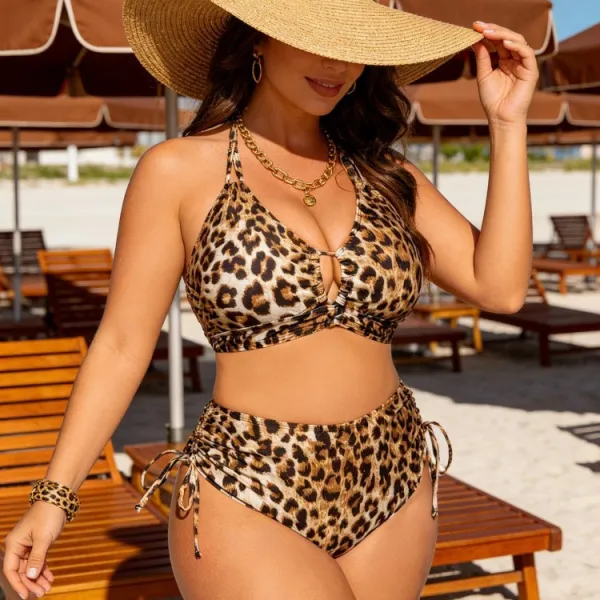
At its core, brand differentiation is about creating a distinct presence that customers can instantly recognize and emotionally connect with. In the swimwear industry, where silhouettes often look similar and trends circulate quickly, differentiation through design, fit, storytelling, and values has become essential. Customization allows sellers to move beyond mass-market sameness and build a brand that feels intentional, exclusive, and relevant.
One of the biggest limitations of stock swimwear designs is oversaturation. When multiple retailers source the same wholesale bikinis or identical men’s swim trunks, consumers quickly notice repetition. Seeing the same prints, cuts, and colors across different stores weakens brand identity and reduces perceived value. Shoppers today are visually sophisticated; they crave novelty and authenticity. Custom swimwear solves this problem by giving brands control over design elements, ensuring their collections are not easily duplicated.
Design freedom is one of the most compelling reasons sellers choose customization. With custom swimwear, brands can experiment with unique color palettes, exclusive prints, innovative cuts, and tailored proportions. This freedom allows designers to align products closely with their brand DNA, whether that means minimalist elegance, bold tropical energy, sporty functionality, or sustainable aesthetics. Instead of adapting a brand image to fit existing products, customization allows the product itself to embody the brand’s vision.
Fit is another critical factor driving the move away from stock designs. Standard sizing in wholesale swimwear often fails to meet the diverse body shapes of real customers. Poor fit leads to higher return rates, negative reviews, and lost trust. Custom swimwear enables brands to refine measurements, adjust proportions, and cater to specific target demographics. Whether focusing on athletic men, curvy women, or children who need comfort and flexibility, customization creates a better wearing experience and strengthens customer loyalty.
For sellers offering wholesale men swimwear, customization opens the door to differentiation through function as well as style. Men increasingly value swimwear that transitions seamlessly from beach to street, with features like quick-dry fabrics, secure pockets, and modern tailoring. Custom designs allow brands to integrate these practical details while maintaining a distinct look. This level of thoughtfulness elevates swimwear from a basic item to a lifestyle essential.
Similarly, brands working with wholesale girl swimsuits benefit enormously from customization. Parents prioritize comfort, safety, durability, and sun protection, while children are drawn to fun colors and playful designs. Custom swimwear enables brands to balance these needs by selecting soft fabrics, reinforcing seams, and incorporating age-appropriate designs that appeal to both parents and kids. Stock options often fail to address these nuances, making customization a strategic advantage.
Beyond aesthetics and fit, storytelling plays a vital role in brand differentiation. Custom swimwear allows sellers to create collections inspired by specific themes, destinations, or values. A brand might tell a story of coastal living, tropical escapes, or mindful sustainability through carefully curated designs. These narratives resonate with modern consumers, who increasingly seek emotional connections with the brands they support. Stock designs rarely offer the depth needed to support meaningful storytelling.
Sustainability is another powerful driver behind the rise of custom swimwear. As consumers become more environmentally conscious, they expect brands to take responsibility for their production choices. Customization allows sellers to select eco-friendly fabrics, reduce overproduction, and design timeless pieces that last beyond a single season. Working closely with manufacturers gives brands more transparency and control over their supply chain, something that is often limited when purchasing mass-produced wholesale swimwear.
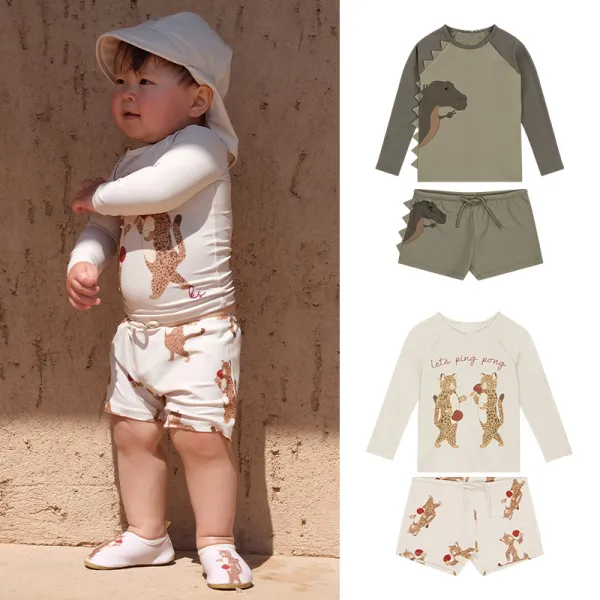
Pricing strategy also benefits from customization. While stock designs compete primarily on price, custom swimwear creates opportunities for value-based pricing. Unique designs, better fit, and strong branding justify higher margins and reduce direct price comparisons. Customers are more willing to invest in swimwear that feels exclusive and thoughtfully designed, rather than interchangeable with cheaper alternatives found elsewhere.
From a marketing perspective, custom swimwear significantly enhances brand visibility. Original designs photograph better, stand out on social media, and perform more strongly in digital advertising. Influencers and content creators are more likely to collaborate with brands offering distinctive products, amplifying reach and credibility. In contrast, stock designs often struggle to capture attention in a crowded online space.
Customization also supports long-term brand growth. By developing signature styles or recognizable design elements, brands create consistency across seasons. Customers begin to associate certain colors, cuts, or patterns with a specific brand, strengthening recall and trust. This consistency is difficult to achieve when relying on ever-changing stock collections from wholesale suppliers.
Another often-overlooked advantage of custom swimwear is agility. Brands that collaborate closely with manufacturers can respond more quickly to emerging trends, customer feedback, and market shifts. Adjusting a print, modifying a fit, or expanding a successful style becomes far easier when a brand controls its designs. Stock swimwear, on the other hand, limits flexibility and forces brands to adapt to what is already available.
The rise of direct-to-consumer brands has further accelerated the demand for customization. Without physical retail limitations, online brands rely heavily on differentiation to attract and retain customers. Custom swimwear enables these brands to offer something truly unique, reinforcing their identity in a competitive digital marketplace. Even traditional retailers are embracing this approach to remain relevant and appealing to younger audiences.
Wholesale bikinis remain an essential part of many swimwear assortments, but the most successful sellers are now blending wholesale efficiency with custom creativity. By starting with base silhouettes and customizing fabrics, colors, or branding details, they achieve a balance between cost control and originality. This hybrid approach demonstrates that customization does not always require starting from scratch; strategic modifications can still deliver strong differentiation.
In the children’s and family swimwear segments, customization supports cohesive brand experiences. Matching designs across women’s, men’s, and girls’ swimwear collections create a unified look that appeals to families and increases average order value. Such coordination is rarely possible with stock designs sourced from different suppliers.
Ultimately, the shift toward custom swimwear reflects a broader change in how brands view their products. Swimwear is no longer just about function; it is about identity, emotion, and experience. Sellers who invest in customization are not simply selling garments—they are building stories, communities, and long-term relationships with their customers.
As competition intensifies and consumer expectations continue to rise, brand differentiation will only become more critical. Custom swimwear offers sellers the tools to stand out in a crowded market, create meaningful connections, and future-proof their businesses. While wholesale swimwear remains a valuable foundation, it is customization that transforms products into brands and designs into lasting impressions.

In an industry driven by creativity and individuality, the message is clear: sellers who choose custom swimwear over stock designs are not just following a trend—they are shaping the future of swimwear branding.


Comments
Post a Comment