Wholesale Denim Jeans and Jackets for Women, Men, and Kids: Complete Buying Guide 2026
Denim remains an undisputed cornerstone of global retail. It transcends generational gaps, cultural shifts, and seasonal changes. In 2026, the global denim market is experiencing a significant evolution. Driven by tech-enabled flexible manufacturing, an emphasis on textile durability, and a consumer base that demands both comfort and structure, the material has moved far beyond its utilitarian roots. For independent boutique owners, major e-commerce brands, and global retail procurement officers, building an inventory of denim requires balancing timeless silhouettes with agile manufacturing practices.
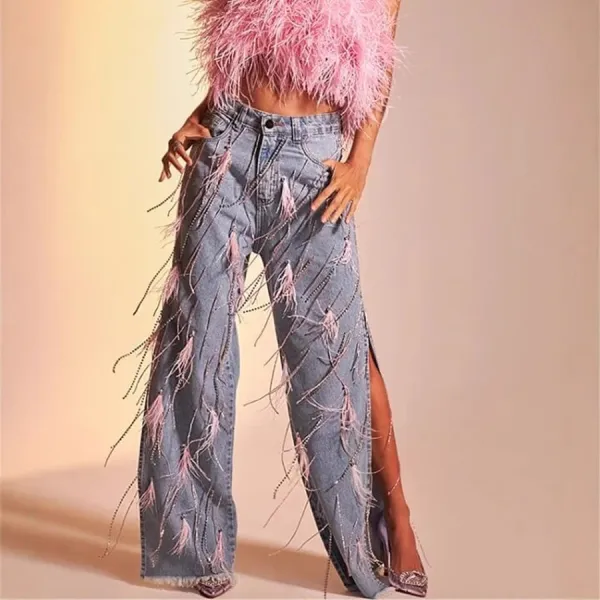
Sourcing high-quality denim items—ranging from adaptive jeans to heavy-duty utility jackets—demands a strong understanding of textile composition, wash processes, and demographic-specific sizing matrices. Managing separate manufacturing facilities for women's, men's, and children's collections introduces significant operational friction. The definitive blueprint for retail success in 2026 relies on a consolidated, vertically integrated sourcing strategy.
This comprehensive guide serves as an entry point for global retailers looking to source denim for women, men, and children. It covers everything from design trends to production workflows and margin optimization.
1. Women’s Denim Sourcing: Versatility, Sculpted Fits, and Trend Agility
The women’s denim market is highly dynamic. While men's and children's lines favor consistency and raw utility, the women's category demands rapid adaptation to digital trends and shifting aesthetic preferences. In 2026, the market is characterized by a blend of relaxed tailoring and structured, body-contouring technology.
Sculpted Foundations and Elevated Bottoms
The modern consumer demands denim that provides a tailored look without the rigid discomfort of traditional 100% cotton constructions. When sourcing high-turnover women's lines, smart inventory managers look for multi-blend fabrics that combine long-staple cotton with variable percentages of polyester and elastane. This composition provides exceptional shape retention, preventing the fabric from stretching out at the knees and hips throughout the day.
Retailers looking to build a dependable, high-margin inventory of everyday bottoms should focus on sourcing high-performance
Transitional Warm-Weather Essentials
As seasonal temperatures fluctuate, your retail floor must adjust to offer lightweight, breathable alternatives to full-length jeans. The warm-weather denim cycle is anchored entirely by structured casual wear. Partnering with an agile
In 2026, the trend landscape for denim shorts has shifted toward mid-thigh lengths, frayed raw hems, and high-rise relaxed fits that recall classic 90s styles. Stocking these fast-moving items alongside your full-length inventory ensures that your storefront captures a high volume of impulse buys and multi-item checkouts during peak spring and summer shopping windows.
2. Men’s Denim Sourcing: Heavyweight Fabrics and Modern Functional Silhouettes
The men’s denim category is anchored primarily by durability, material density, and relaxed tailoring. Unlike the fast-moving trends of the women's market, men's denim purchases are driven by consistency, fit reliability, and the tactile quality of the fabric.
Structural Performance Bottoms
Modern male consumers look for denim that combines workwear-inspired durability with lifestyle flexibility. For the modern retail procurement officer, this means sourcing from specialized manufacturing lines that can handle heavy-weight twills ranging from 12 ounces to 14 ounces per yard. Incorporating a curated selection of
The current trend cycle for men's bottoms focuses on relaxed straight-leg silhouettes, tapered athletic fits, and functional utility cargo jeans. By avoiding temporary micro-trends and prioritizing high-quality stitch work, reinforced belt loops, and durable brass zipper closures, your store can establish itself as a reliable destination for high-frequency wardrobe staples.
Classic and Functional Mid-Layers
A comprehensive men's denim collection must include versatile outerwear that acts as a structural mid-layer. The men's denim jacket remains a highly stable category that experiences consistent demand year after year. When sourcing bulk outerwear, look for classic trucker jackets featuring deep interior welt pockets, adjustable waist tabs, and point collars. Stocking these utility layers in traditional raw rigid indigo, washed charcoal, and distressed vintage finishes allows your brand to capture consistent cross-selling opportunities across your entire men's apparel catalog.
3. Children’s Denim Sourcing: Comfort, Elasticity, and High Durability
Sourcing denim for the children's market requires a complete shift in manufacturing focus. While adult denim prioritization balances style aesthetics with structure, children's denim must prioritize skin comfort, structural elasticity, and high resistance to abrasion.
High-Flexibility Playwear
Children's skin is highly sensitive, meaning that rigid, heavyweight raw denim is entirely unsuited for this demographic. Manufacturing children's bottoms requires the use of lightweight, pre-washed cotton-spandex blends that range from 8 ounces to 10 ounces. Incorporating a dedicated selection of premium
For toddlers and younger children, prioritize designs featuring fully elasticized waistbands, adjustable inner button tabs, and faux-fly details. These features allow for easy dressing and accommodate rapid growth spurts. For older children and teenagers, your inventory should mirror adult trends with mini-straight-leg and relaxed skater silhouettes, built with reinforced double-layered knees to withstand rugged playground use.
All-Season Outerwear Layering
Children's denim outerwear serves as a durable layer for changing seasons. When sourcing kids' denim jackets, select styles that have undergone extensive enzyme stone washing processes to ensure the fabric feels completely soft right off the hanger. Look for practical details like snap-button closures instead of traditional metal shanks, which allow small hands to fasten the jacket independently. Offering lightweight denim jackets featuring cozy jersey hoods or detachable fleece collars gives your kids' collection an appealing, high-value look that resonates strongly with parents.
4. The Unified Solution: Outerwear and Private Label Customization
The true hallmark of a highly profitable denim retail operation is the ability to offer cohesive collections that feature distinct branding and consistent quality across all demographics. This requires moving away from generic wholesale merchandise and establishing brand sovereignty through advanced manufacturing and customization options.
All-Demographic Outerwear Sourcing
To maximize your store's average order value (AOV), your outerwear pipeline must deliver consistent quality across women's, men's, and children's sizes. Partnering with vertically integrated
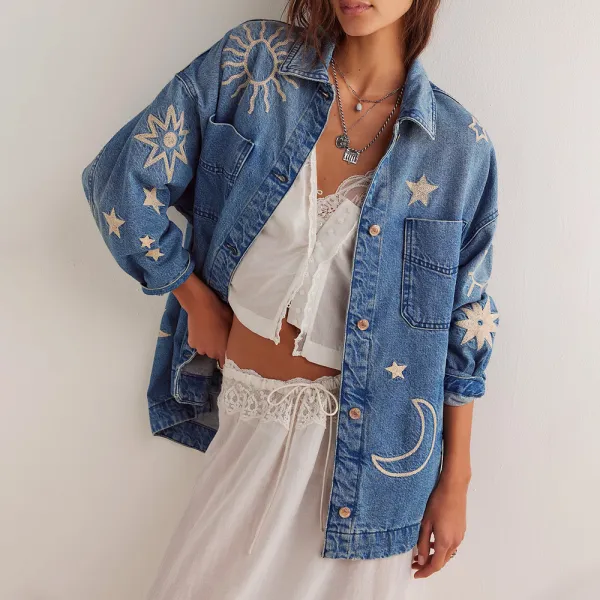
Whether producing oversized distressed jackets for women, sherpa-lined utility coats for men, or lightweight embroidered layers for kids, utilizing a single manufacturing network guarantees consistent dye lots, matching hardware finishes, and a cohesive design language across your entire storefront.
Developing Brand Sovereignty through Custom Sourcing
As your retail business scales, your long-term profitability depends heavily on your ability to insulate your brand from direct price comparisons. The ultimate tool for achieving true market differentiation is the integration of premium private-label customization programs. Investing in
Advanced customization services allow you to add custom-branded metal rivets, embossed leather waist patches, and custom-woven interior labels from day one. You can specify exact fit profiles, design custom embroidery patterns, and create unique wash aesthetics that cannot be found anywhere else on the market. This elevation from a simple retail distributor to a sovereign fashion house unlocks premium retail markups and protects your hard-earned profit margins.
5. Technical Denim Engineering: Understanding Washes, Fits, and Fabrics
To successfully communicate your brand's value to consumers and make informed procurement decisions, retail buyers must understand the technical processes that shape the final denim product. The journey from a raw bale of cotton to a finished, retail-ready garment involves a series of highly specialized mechanical and chemical treatments.
The Mechanics of Denim Sourcing and Production
[Raw Cotton Yarn] ➔ [Indigo Indigo Dyeing] ➔ [Weaving (Twining)] ➔ [Cut-and-Sew Assembly]
Fabric Composition and Weight Classifications
The foundation of any premium denim garment is the weave structure. Traditional denim is an asynchronous warp-faced cotton twill, where the warp yarns are dyed with indigo while the weft yarns remain white. This creates the classic diagonal ribbing pattern visible on the fabric's reverse side. Understanding fabric weight classifications is critical for managing seasonal buying budgets:
Lightweight Denim (5 oz – 9 oz): Highly breathable and fluid. Ideal for children’s playwear, summer denim shirts, and lightweight women's tiered skirts.
Midweight Denim (10 oz – 12 oz): The standard category for modern retail. Offers a balanced mix of durability and immediate comfort. Highly recommended for women’s wide-leg jeans, stretch bodysuits, and children's outerwear.
Heavyweight Denim (13 oz – 15 oz+): Extremely rigid, durable, and traditional. Favored by men’s workwear brands and heritage denim lines. Requires a break-in period but offers long-lasting structural integrity.
The Science of the Wash Cycle
The aesthetic character of denim is created during the final wash and finishing stages. Unwashed denim, known as "raw" or "dry" denim, remains dark indigo and stiff. To create soft textures and varied color gradients, manufacturers use advanced finishing techniques:
Enzyme Washing: An eco-friendly alternative to traditional stone washing. Natural cellumax enzymes break down the surface cellulose molecules of the cotton fibers, softening the fabric and releasing a controlled amount of indigo dye for a smooth finish.
Acid/Snow Washing: A high-contrast chemical treatment where porous pumice stones are soaked in a chlorine solution and tumbled dry with the garments. This creates irregular, marbled white highlights across the fabric, ideal for streetwear lines.
Laser Distressing: A modern solution that replaces manual hand-scraping and chemical bleaching. Computer-controlled lasers burn precise whispering patterns, honeycombs, and frayed tears onto the fabric in seconds, ensuring complete consistency across production batches.
6. The Retailer's Denim Buying Matrix for 2026
To help guide your next open-to-buy allocation, use this structured operational matrix to balance your inventory across women's, men's, and children's denim lines:
| Demographic | Key Silhouette Priorities | Optimal Material Blend | Recommended Finishing Wash |
| Women’s Denim | High-rise wide-leg, vintage straight-leg, cropped flares, frayed summer shorts. | 78% Cotton / 20% Polyester / 2% Elastane (High-recovery multi-blend). | Vintage light wash, laser-scraped whiskering, washed charcoal gray. |
| Men’s Denim | Relaxed straight, tapered athletic cuts, utility cargo jeans, classic trucker jackets. | 99% Long-staple Cotton / 1% Spandex (Heavy-duty comfort twill). | Deep raw indigo, uniform mid-wash, mineral-washed black. |
| Children’s Denim | Elastic-waist play pants, adjustable-tab straight cuts, snap-button layer jackets. | 90% Cotton / 8% Polyester / 2% Spandex (Ultra-soft, lightweight flex blend). | Multi-stage enzyme wash (For maximum softness directly off the hanger). |
7. Supply Chain Optimization: Maximizing Retail Profit Margins
Sourcing premium denim is only half the battle; achieving long-term profitability requires streamlining your operational logistics, minimizing dead-stock risks, and optimizing your cash flow.
Transitioning to Demand-Driven Purchasing
Traditional clothing manufacturing models forced retailers to project consumer trends six to twelve months in advance, resulting in large bulk orders that frequently missed actual market demand. In 2026, successful retail empires are built on agile, low-volume testing models. Partnering with a wholesale supplier that supports small minimum order quantities (MOQs) allows your brand to operate a demand-driven supply chain.
Launch new silhouettes, custom washes, or graphic denim lines in limited test batches. Analyze real-time sales velocity, consumer click-through rates, and sizing distribution patterns directly from your digital storefront. Once you identify a clear winner, you can confidently utilize bulk manufacturing options to restock inventory, while safely phasing out underperforming styles before they become a markdown liability.
Consolidating Logistics with Integrated Platforms
Managing separate shipping pipelines from multiple unlinked factories creates a complex logistical web. It exposes your business to unexpected export customs delays, varied freight formatting, and inflated shipping fees.
Utilizing a single, comprehensive wholesale platform allows you to streamline your entire supply chain. From the initial design check and material weaving to custom private labeling, packaging, and final freight tracking, every step is managed under a unified system. This consolidated approach keeps your physical footprint lean, drastically reduces processing times, and ensures your women's, men's, and children's denim inventory arrives pre-labeled, retail-ready, and pristine at your warehouse door.
8. Future-Proofing Your Denim Enterprise
The global denim market continues to offer significant revenue opportunities for retailers who combine contemporary design trends with smart, agile sourcing practices. Modern consumers want to support independent clothing brands that deliver reliable material quality, accurate sizing fits, and an authentic sense of curated style.
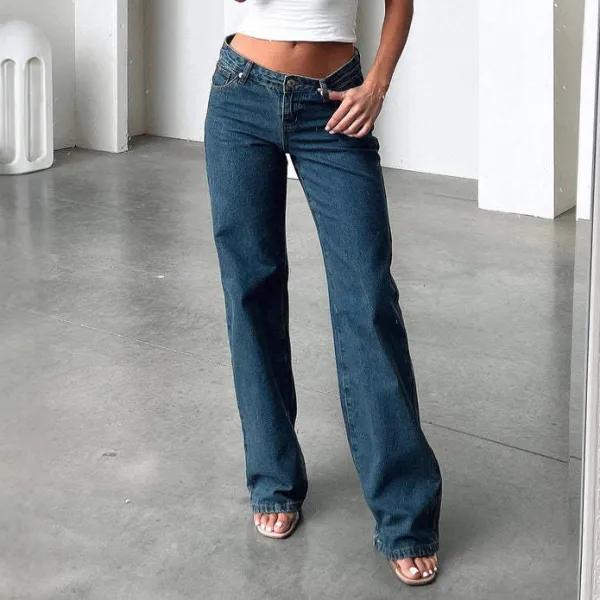
Structuring your inventory growth around a well-balanced, comprehensive catalog of denim products—spanning customized women’s bottoms, high-velocity summer shorts, heavyweight men’s utility pants, durable children’s playwear, and high-ticket branded outerwear—insulates your retail business from unpredictable market shifts. Partnering with a reliable, advanced wholesale platform gives your enterprise the production tools, custom manufacturing agility, and logistical security needed to compete effectively in the market. Eliminate the burden of excess inventory, protect your operational cash flow, and build your fashion empire systematically, one profitable collection at a time.


Comments
Post a Comment