How to Build Your Brand with Custom Clothing Private Label
In today’s competitive fashion industry, building a unique and recognizable brand is more important than ever. With the rise of e-commerce, social media, and fast-changing consumer preferences, businesses must differentiate themselves to stand out. One of the most effective ways to achieve this is through custom clothing private label solutions.
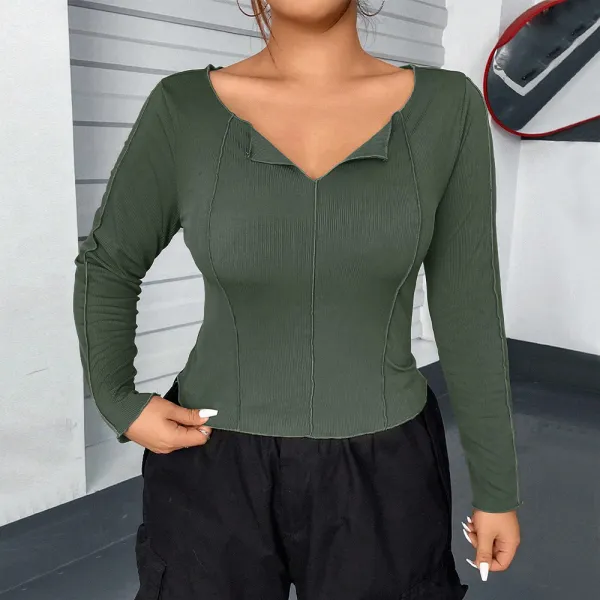
Private labeling allows entrepreneurs to create their own brand identity, control product design, and establish long-term customer loyalty. Whether you are starting a new clothing line or expanding an existing business, leveraging customization services can unlock significant growth opportunities.
This comprehensive guide explores how to build your brand using private label clothing, from concept development to marketing and scaling strategies.
Understanding Private Label Clothing
Private label clothing refers to products manufactured by a third party but sold under your own brand name. This approach enables businesses to focus on branding, marketing, and customer experience without managing complex production processes.
By working with suppliers that offer custom plus size clothing, brands can cater to diverse audiences and promote inclusivity, which is increasingly important in today’s market.
Key Benefits of Private Label
- Full control over branding and design
- Higher profit margins compared to reselling
- Ability to create unique, differentiated products
- Stronger customer loyalty and brand recognition
Step 1: Define Your Brand Identity
Before launching a private label clothing line, it’s essential to define your brand identity.
Identify Your Target Audience
Understanding your audience helps shape your product offerings, pricing, and marketing strategies. Consider factors such as:
- Age group
- Lifestyle
- Fashion preferences
- Budget
Develop Your Brand Story
Your brand story communicates your values and mission. Whether you focus on sustainability, inclusivity, or luxury fashion, a compelling story builds emotional connections with customers.
Create Visual Branding
Design elements such as logos, color palettes, and typography should be consistent across all products and marketing channels.
Step 2: Choose the Right Product Categories
Selecting the right product categories is crucial for building a cohesive brand.
Dresses
Offering custom dresses allows you to create unique designs tailored to your audience’s preferences, from casual wear to formal attire.
Swimwear
Seasonal products like custom swimwear provide opportunities to capitalize on trends and expand your product range.
Lingerie
High-demand categories such as custom lingerie can enhance your brand’s appeal by offering personalized and comfortable options.
Sportswear
The activewear market continues to grow rapidly. By offering custom sportswear, you can tap into the demand for functional and stylish apparel.
Women’s Sets
Matching outfits like custom women's sets are popular for their convenience and aesthetic appeal.
Accessories
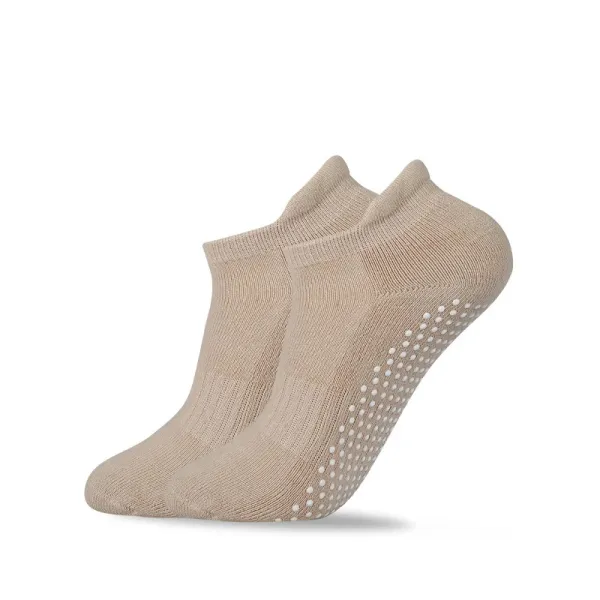
Accessories play a key role in brand building. Products such as custom socks can complement your clothing line and increase average order value.
Denim
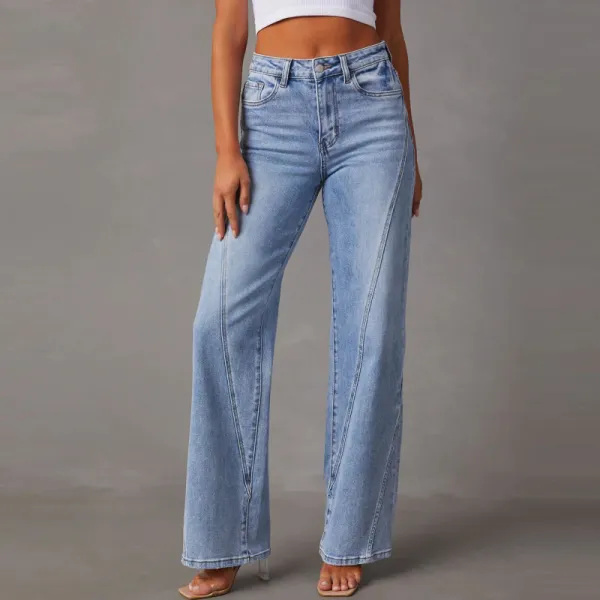
Timeless staples like custom jeans provide versatility and long-term demand.
Step 3: Partner with Reliable Suppliers
Choosing the right supplier is critical for ensuring product quality and consistency.
What to Look for in a Supplier
- Experience in private label manufacturing
- High-quality materials and craftsmanship
- Flexible customization options
- Reliable production and delivery timelines
Working with trusted suppliers ensures your products meet customer expectations and maintain brand reputation.
Step 4: Focus on Product Customization
Customization is the foundation of private label branding.
Design Elements
- Fabric selection
- Colors and patterns
- Fit and sizing
- Branding elements such as labels and tags
Packaging
Custom packaging enhances the customer experience and reinforces brand identity. Consider:
- Branded boxes or bags
- Personalized thank-you notes
- Eco-friendly materials
Step 5: Pricing Strategy
Pricing plays a crucial role in positioning your brand.
Cost-Based Pricing
Calculate production costs and add a profit margin.
Value-Based Pricing
Price products based on perceived value, especially for premium or customized items.
Competitive Analysis
Research competitors to ensure your pricing remains attractive while maintaining profitability.
Step 6: Build Your Online Presence
A strong online presence is essential for brand growth.
E-Commerce Website
Create a professional website that showcases your products, brand story, and customer reviews.
Social Media
Platforms like Instagram and TikTok are ideal for promoting fashion brands. Share:
- Product photos and videos
- Styling tips
- Behind-the-scenes content
Content Marketing
Publish blogs and guides to educate customers and improve SEO rankings.
Step 7: Marketing and Promotion
Effective marketing strategies drive brand awareness and sales.
Influencer Collaborations
Partner with influencers to reach wider audiences and build credibility.
Email Marketing
Use email campaigns to promote new products, discounts, and updates.
Paid Advertising
Invest in targeted ads to attract potential customers and increase conversions.
Step 8: Enhance Customer Experience
Customer experience is a key differentiator in the fashion industry.
Personalization
Offer personalized recommendations and customization options.
Customer Support
Provide responsive and helpful customer service to build trust.
Loyalty Programs
Reward repeat customers with discounts or exclusive offers.
Step 9: Scale Your Brand
Once your brand is established, focus on scaling operations.
Expand Product Lines
Introduce new categories to attract a broader audience.
Enter New Markets
Explore international markets to increase reach and revenue.
Optimize Operations
Streamline production, inventory, and logistics for efficiency.
Challenges and Solutions
Competition
The fashion industry is highly competitive. Solution: focus on unique designs and strong branding.
Quality Control
Maintaining consistent quality can be challenging. Solution: work with reliable suppliers and implement quality checks.
Inventory Management
Balancing supply and demand is crucial. Solution: use data analytics to forecast trends.
Future Trends in Private Label Clothing
Sustainability
Eco-friendly materials and ethical production practices are becoming increasingly important.
Technology Integration
Innovations such as AI-driven design and virtual fitting rooms enhance customer experience.
Personalization
Consumers are seeking more personalized products, making customization a key trend.
Building a successful fashion brand requires a combination of creativity, strategy, and execution. By leveraging custom clothing private label solutions, businesses can create unique products, establish strong brand identities, and achieve long-term growth.
From inclusive offerings like plus size clothing to diverse categories such as dresses, swimwear, lingerie, sportswear, women’s sets, socks, and jeans, a well-rounded product strategy ensures broad market appeal.
By partnering with reliable suppliers, focusing on customization, and implementing effective marketing strategies, you can build a powerful brand that stands out in the competitive fashion industry in 2026 and beyond.


Comments
Post a Comment