Wig Quality Guide: How to Identify Premium Human Hair Wigs
For beauty salon owners and wig retailers, understanding the difference between premium quality wigs and inferior products is essential for building customer trust and maintaining a successful business. The wig market offers a wide range of options, from budget-friendly synthetic pieces to luxurious human hair wigs that can command premium prices. This guide will help you develop the expertise needed to identify high-quality wigs, source the best products from reliable wholesale wig vendors, and provide valuable guidance to your customers.
Why Wig Quality Matters for Your Business
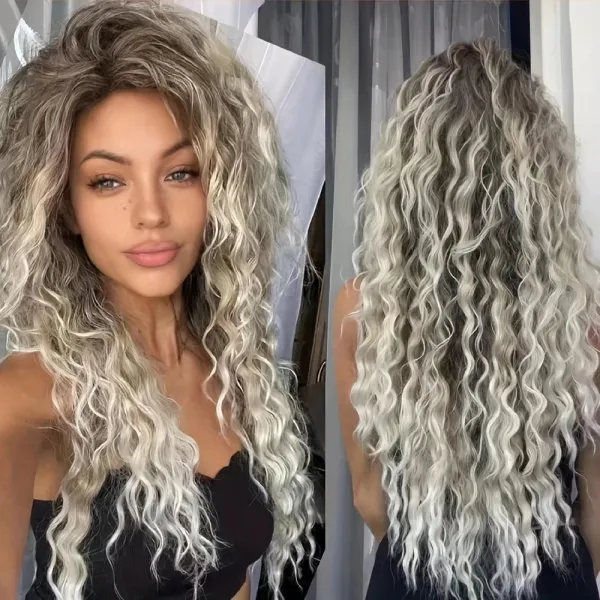
Investing time in understanding wig quality offers multiple benefits for your business. High-quality wigs lead to higher customer satisfaction, fewer returns, positive word-of-mouth referrals, and stronger profit margins. When you can confidently explain the differences between wig types and quality levels, customers are more likely to trust your recommendations and make purchases.
The global wig market continues to grow as consumers seek versatile styling options and solutions for hair loss. Salon owners who position themselves as wig experts can capture a share of this expanding market while building lasting customer relationships.
Understanding Wig Materials
Human Hair Wigs
Wholesale human hair wigs represent the premium segment of the wig market. These wigs are made from real human hair collected from donors, processed, and crafted into wearable hairstyles. The quality varies significantly based on the source of the hair, processing methods, and construction techniques.
Virgin Hair: The highest quality option available. Virgin hair has never been chemically processed, meaning it hasn't been dyed, permed, or bleached. This hair maintains its natural cuticle alignment, resulting in a more natural appearance and longer lifespan.
Remy Hair: Another high-quality option where the cuticles remain intact and are aligned in one direction. Remy hair resists tangling and maintains a smooth, natural look. While it may have undergone some processing, quality Remy hair still offers excellent durability and styling versatility.
Non-Remy Hair: More affordable but still functional. The cuticles in non-Remy hair are not aligned consistently, which can lead to more tangling over time. However, with proper care, non-Remy wigs can provide satisfactory wear for budget-conscious customers.
Synthetic Wigs
Wholesale synthetic wigs are made from artificial fibers designed to mimic the appearance of human hair. Modern synthetic wigs have improved significantly in quality, offering natural-looking styles at accessible price points.
Kanekalon Fiber: A popular synthetic fiber known for its soft texture and heat resistance. Quality Kanekalon wigs can withstand low heat styling, making them versatile for various looks.
Toyokalon Fiber: Another common synthetic option that offers a natural sheen and manageable texture. While less heat-resistant than Kanekalon, toyokalon wigs are often more affordable.
High-Temperature Synthetic Fiber: Premium synthetic wigs that can withstand higher heat styling, providing more versatility in hairstyling options.
Key Indicators of Wig Quality
Hair Texture and Feel
Premium human hair wigs feel naturally soft and smooth to the touch. When you run your fingers through the hair, it should move freely without excessive friction or tangling. The hair should have a slight natural sheen that looks healthy rather than overly shiny or dull.
Test Method: Take a small strand between your fingers and slide from root to tip. Quality human hair should feel silky and smooth, while lower quality hair may feel rough or have visible cuticles.
Hair Density and Fullness
Quality wigs feature consistent density throughout the cap. The hair should be evenly distributed, neither too thin showing the cap construction nor overly thick feeling unnatural. inspect the wig from multiple angles to ensure uniform fullness.
Test Method: Hold the wig up to light and look through the hair. You should see an even distribution without thin patches or gaps. The wig should provide good coverage without feeling like a heavy wig.
Cap Construction
The wig cap forms the foundation of quality. Examine the construction carefully:
Cap Type | Features | Quality Indicators |
|---|---|---|
Lace Front | Lace at front, wefted back | Natural hairline, breathable |
Full Lace | Entire cap in lace | Versatile styling, natural look |
Wefted | Sewn wefts, machine-made | Durable, affordable |
Monofilament | Single fiber per section | Natural part, lightweight |
Quality caps should fit comfortably without being too tight or loose. The edges should be smooth and securely finished to prevent irritation or shedding.
Hairline and Baby Hairs
Premium wigs feature a natural-looking hairline with strategically placed baby hairs. These fine hairs around the perimeter are carefully cut and styled to mimic natural hair growth patterns. Wholesale lace front wigs often excel in this area, providing an undetectable transition from wig to forehead.
Test Method: Examine the hairline under bright light. Quality wigs should have fine, wispy baby hairs that blend naturally with the rest of the style. Low-quality wigs often have a harsh, straight line at the hairline.
Weft Security and Sewing
For wefted wigs, inspect the construction of each weft section. Quality wigs feature secure, even stitching that prevents excessive shedding. The wefts should lie flat against the cap without bunching or gaps.
Test Method: Gently tug on small sections of hair throughout the wig. Quality wigs should not release hair easily. Some initial shedding is normal for new wigs, but excessive hair loss indicates inferior quality.
Identifying Quality by Hair Source
Asian Hair
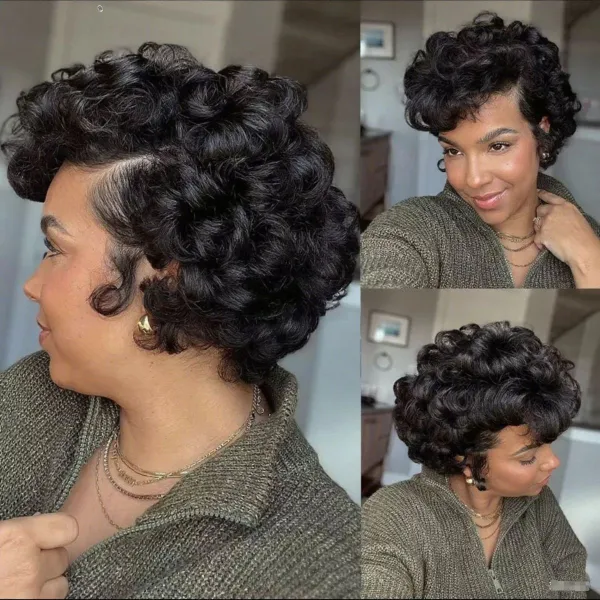
Most human hair wigs on the market originate from Asian countries, particularly China and India. Chinese hair tends to be thick, straight, and naturally dark. It holds styles well and can be processed into various textures.
Quality Indicators: Thick strands, natural luster, good durability. Premium Chinese hair maintains its quality through multiple wears and styling sessions.
European Hair
European hair commands premium prices due to its rarity. It typically features finer strands, natural wave patterns, and a wider range of natural colors. European hair is often sourced from countries like Russia and Ukraine.
Quality Indicators: Fine strands, natural movement, soft texture. European hair provides the most natural look but requires more maintenance and commands higher prices.
Indian Hair
Indian hair is abundant and versatile, offering good quality at moderate price points. It naturally features wave and curl patterns that hold styles effectively.
Quality Indicators: Medium strand thickness, natural wave, good movement. Quality Indian hair provides a balance of natural appearance and affordability.
Sourcing Quality Wigs at Wholesale Prices
Research Potential Suppliers
Before committing to a wholesale partnership, research potential wholesale wig suppliers thoroughly. Request samples to evaluate quality firsthand before placing larger orders. Consider factors like minimum order quantities, shipping times, and return policies.
Evaluate Product Photography
Reputable suppliers invest in quality product photography that accurately represents their wigs. Be cautious of suppliers using heavily edited images or photos that seem too good to be true.
Request Material Specifications
Quality suppliers can provide detailed information about their products, including hair source, processing methods, and cap construction. Suppliers unwilling to share this information may be selling inferior products.
Start with Sample Orders
Begin with smaller sample orders to verify quality consistency before scaling up your orders. This approach minimizes risk while allowing you to build a relationship with your supplier.
Pricing Guide: What to Expect at Each Quality Level
Understanding pricing helps you set appropriate retail prices while maintaining healthy profit margins:
Wig Type | Wholesale Range | Retail Range | Target Customer |
|---|---|---|---|
Basic Synthetic | $10-25 | $30-60 | Budget shoppers |
Quality Synthetic | $25-50 | $60-120 | Style-conscious |
Entry Human Hair | $50-100 | $150-300 | First-time human hair buyers |
Premium Human Hair | $100-250 | $300-700 | Quality-focused customers |
Luxury European Hair | $250+ | $700+ | Premium segment |
Caring for Quality Wigs: A Guide for Retailers
Understanding wig care helps you provide excellent post-purchase support to your customers.
Washing and Conditioning
Human hair wigs should be washed every 7-14 days depending on wear frequency. Use sulfate-free shampoos and conditioners designed specifically for wigs. Avoid rubbing or twisting the hair; instead, gently swish in a basin of water.
Synthetic wigs require less frequent washing, typically every 2-4 weeks. Use products formulated for synthetic fibers and avoid heat styling unless the wig is labeled as heat-resistant.
Storage
Store wigs on mannequin heads or in breathable bags to maintain their shape. Keep them away from direct sunlight and heat sources that can damage the hair fibers.
Styling
Human hair wigs can be styled with heat tools set to appropriate temperatures. Always use heat protectant products. Synthetic wigs should only be styled with tools within the wig's heat tolerance range.
Building Customer Trust Through Education
Position your salon as a resource for wig education. When customers understand the differences between wig types and quality levels, they can make informed purchasing decisions. Consider offering:
In-store demonstrations showing quality differences
Care instruction cards with each purchase
Follow-up consultations to address customer questions
Educational content on your website or social media
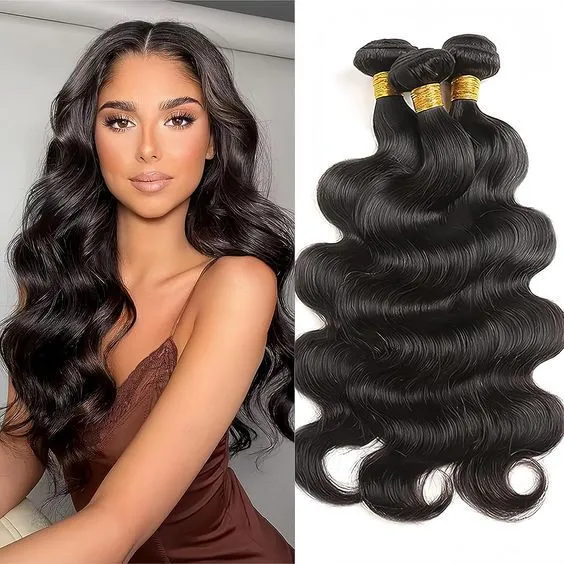
Understanding wig quality is essential for salon owners and retailers looking to succeed in the competitive wholesale wig market. By learning to identify premium human hair wigs, evaluating cap construction, and sourcing from reliable wholesale wig vendors, you can build a reputation for quality that attracts loyal customers.
Remember that quality wigs require proper care to maintain their appearance and lifespan. Invest time in educating your customers about wig maintenance, and they'll reward you with repeat business and positive referrals.
For those ready to source quality wigs at competitive wholesale prices, exploring options at FashionTIY can provide access to a wide range of products from trusted suppliers. With proper knowledge and reliable sourcing, you can build a successful wig business that serves your customers' needs while achieving your profit goals.


Comments
Post a Comment