Comprehensive Guide to Wholesale Shoes for E-commerce Success
The wholesale shoe market presents a significant opportunity for e-commerce entrepreneurs looking to expand their product offerings. With the right strategies, bulk shoe purchasing can become a profitable cornerstone of your online business. This guide will provide you with a comprehensive overview of the wholesale shoe industry, helping you navigate the complexities of inventory management, supplier selection, and marketing.
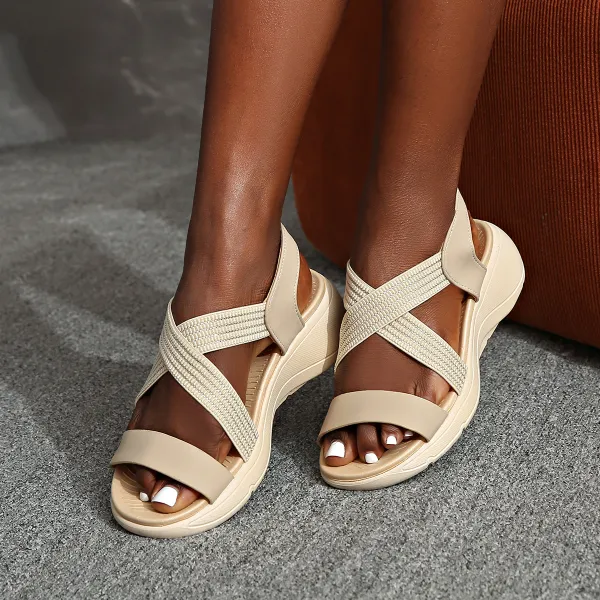
In today's competitive e-commerce landscape, standing out requires more than just offering quality products—it requires strategic sourcing, effective inventory management, and targeted marketing. For a diverse selection of wholesale shoes to consider for your inventory, explore the extensive collection available at wholesale shoes.
Understanding the Wholesale Shoe Market
The wholesale shoe market is diverse and dynamic, with trends that shift based on seasons, fashion cycles, and consumer preferences. As an e-commerce seller, understanding this market is crucial for making informed purchasing decisions.
Market Segments
The wholesale shoe market can be divided into several key segments:
Athletic footwear: Including running shoes, training shoes, and sports-specific footwear
Casual shoes: Everyday wear for various occasions
Formal footwear: Dress shoes and business-appropriate styles
Specialty footwear: Work boots, orthopedic shoes, and other niche categories
Seasonal footwear: Sandals for summer, boots for winter
Key Market Trends
Staying informed about market trends can help you anticipate demand and adjust your inventory accordingly:
Sustainable footwear: Increasing consumer interest in eco-friendly materials and production methods
Athleisure: The blurring of lines between athletic and casual footwear
Customization: Growing demand for personalized and unique shoe designs
Digital integration: Smart shoes with technology features
Choosing the Right Shoe Categories for Your Business
Selecting the right shoe categories is essential for building a successful e-commerce business. Your selection should align with your target audience's preferences and your overall business strategy.
Popular Shoe Categories
Consider including these popular categories in your inventory:
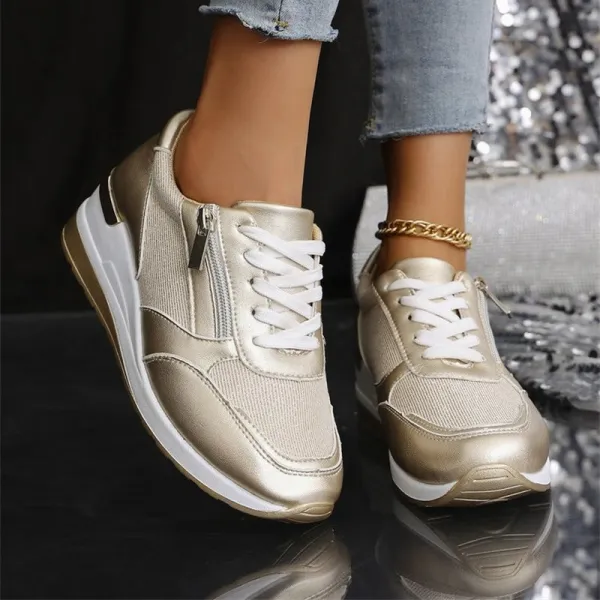
Sneakers: A year-round staple with consistent demand. For a wide variety of styles, check out wholesale sneakers options.
Sandals: Essential for summer collections. Explore different styles at wholesale sandals suppliers.
Boots: Key for fall and winter seasons. Find quality options at wholesale boots distributors.
Women's high heels: A lucrative category for special occasions and professional settings. Discover elegant options at wholesale women high heel suppliers.
Slippers: Comfortable footwear for home use. Browse cozy options at wholesale slippers.
House slippers: Specifically designed for indoor use. Find comfortable styles at wholesale house slippers.
Men's shoes: Classic styles for the modern man. Explore options at wholesale men shoes.
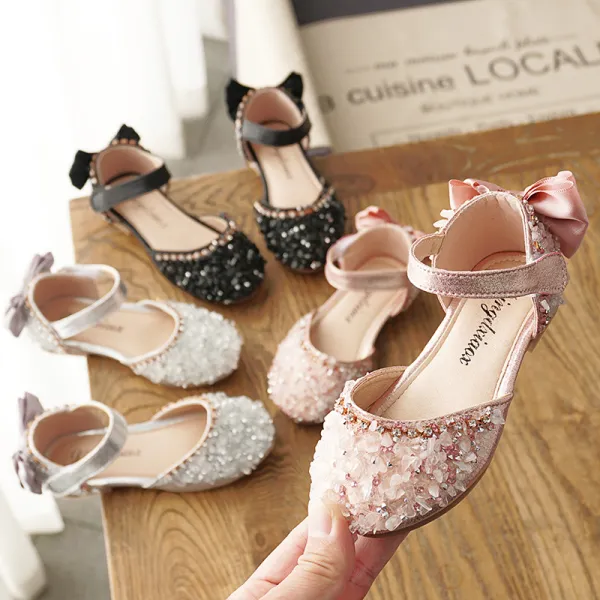
Children's shoes: Including both girls' and boys' styles. Check out wholesale girls shoes for the latest designs.
Niche Opportunities
In addition to popular categories, consider exploring niche opportunities:
Platforms & wedges: Stylish options that add height and fashion-forward appeal
Mules: Slip-on styles that combine comfort and style
Loafers: Classic, versatile footwear for various occasions
Shoe boxes: Essential accessories for storage and presentation
Finding Reliable Wholesale Shoe Suppliers
Finding trustworthy suppliers is one of the most critical aspects of successful bulk shoe buying. A reliable supplier can become a valuable business partner, helping you maintain consistent inventory and adapt to market changes.
Supplier Evaluation Criteria
When evaluating potential suppliers, consider these factors:
Product quality: Request samples to assess materials, craftsmanship, and overall construction
Pricing structure: Compare costs across multiple suppliers, considering minimum order quantities and volume discounts
Inventory availability: Ensure the supplier has sufficient stock to meet your needs
Shipping and delivery: Evaluate shipping costs, delivery times, and international shipping options if needed
Return policy: Understand the supplier's policies for defective or unsold merchandise
Customer service: Assess responsiveness, communication, and support
Building Supplier Relationships
Building strong relationships with your suppliers can lead to better terms and more favorable conditions over time:
Communicate regularly: Keep suppliers informed about your needs and expectations
Pay on time: Establish a reputation as a reliable customer
Provide feedback: Share insights about product performance and customer preferences
Consider long-term agreements: Explore exclusive arrangements or volume commitments for better pricing
Negotiating Wholesale Shoe Prices
Effective negotiation can significantly impact your bottom line. Developing strong negotiation skills is essential for securing the best possible terms from your suppliers.
Negotiation Strategies
Consider these strategies when negotiating with suppliers:
Research market prices: Understand the going rates for similar products to establish a baseline
Leverage volume: Ask about tiered pricing for larger orders
Bundle purchases: Combine multiple categories or styles for better overall pricing
Negotiate payment terms: Request extended payment schedules to improve cash flow
Explore seasonal discounts: Purchase off-season inventory at reduced prices
Consider exclusivity: Offer to carry specific styles exclusively in exchange for better pricing
Common Negotiation Mistakes to Avoid
Focusing solely on price: Consider the total value, including quality, service, and reliability
Being inflexible: Be willing to compromise on non-essential terms
Rushing the process: Take time to understand the supplier's needs and constraints
Failing to build relationships: Long-term partnerships often yield better results than one-time transactions
Managing Shoe Inventory Effectively
Efficient inventory management is crucial for e-commerce success. Proper inventory management helps you maintain optimal stock levels, reduce carrying costs, and minimize the risk of overstock or stockouts.
Inventory Management Best Practices
Implement an inventory management system: Use software to track stock levels, sales patterns, and reorder points
Set par levels: Establish minimum inventory levels for each product to trigger reordering
Conduct regular audits: Physically count inventory to reconcile with system records
Analyze sales data: Identify fast-moving and slow-moving items to adjust purchasing decisions
Consider dropshipping: For certain products, especially niche or seasonal items
Optimize storage: Organize inventory for efficient picking and shipping
Seasonal Inventory Planning
Forecast demand: Use historical sales data and market trends to predict seasonal demand
Plan ahead: Order seasonal inventory well in advance to avoid stockouts
Liquidate excess inventory: Offer promotions or discounts to move seasonal items before they become obsolete
Diversify your inventory: Maintain a balance of evergreen styles and seasonal items
Marketing Wholesale Shoes Online
Effective marketing is essential for driving traffic to your e-commerce store and converting visitors into customers. A comprehensive marketing strategy should include both online and offline tactics.
Digital Marketing Strategies
Search engine optimization (SEO): Optimize product listings and content with relevant keywords
Paid advertising: Use platforms like Google Ads and social media advertising to reach targeted audiences
Social media marketing: Showcase products on Instagram, Facebook, and Pinterest
Email marketing: Build a subscriber list and send targeted campaigns
Content marketing: Create blog posts, buying guides, and style tips
Influencer partnerships: Collaborate with influencers to promote your products
Customer reviews: Encourage and showcase customer feedback
Conversion Optimization
High-quality product photography: Invest in professional images from multiple angles
Detailed product descriptions: Include materials, sizing, and care instructions
Clear pricing and shipping information: Be transparent about costs
User-friendly website design: Ensure easy navigation and a seamless checkout process
Multiple payment options: Offer various payment methods to accommodate different preferences
Responsive customer service: Provide prompt and helpful support
Overcoming Common Challenges in Wholesale Shoe Business
Running a wholesale shoe business comes with its share of challenges. Being prepared to address these challenges can help you navigate obstacles and build a successful operation.
Common Challenges and Solutions
Inventory management: Implement robust inventory tracking systems and regular audits
Seasonal fluctuations: Diversify your product offerings and plan inventory accordingly
Supplier reliability: Build relationships with multiple suppliers to reduce dependency
Pricing pressure: Focus on value-added services and unique product selections
Shipping and logistics: Partner with reliable shipping providers and optimize packaging
Returns and exchanges: Establish clear policies and processes for handling returns
Staying Competitive
Monitor market trends: Stay informed about industry developments and consumer preferences
Innovate your product offerings: Regularly update your inventory with new styles and trends
Enhance customer experience: Provide exceptional service and personalized shopping experiences
Optimize your operations: Streamline processes to reduce costs and improve efficiency
Build brand loyalty: Develop a strong brand identity and foster customer relationships
Success in the wholesale shoe business requires a combination of strategic planning, effective supplier relationships, efficient inventory management, and targeted marketing. By understanding the market, selecting the right products, and implementing best practices, you can build a profitable e-commerce business in the wholesale shoe industry.
Remember that the key to success lies in staying informed about industry trends, adapting to changing consumer preferences, and continuously refining your business strategies. With dedication and the right approach, wholesale shoe buying can become a lucrative venture for your e-commerce business.
For a comprehensive selection of wholesale shoes to add to your inventory, explore the extensive collection available through reputable suppliers in the industry. Whether you're looking for popular categories like wholesale sneakers and wholesale boots, or specialized options like wholesale women high heel and wholesale house slippers, there's a wide range of products to meet the needs of your target audience.
As you grow your wholesale shoe business, continue to explore new opportunities, build strong relationships with suppliers, and adapt to the evolving needs of your customers. With the right strategies and a commitment to quality, you can establish a successful presence in the competitive e-commerce shoe market.


Comments
Post a Comment